
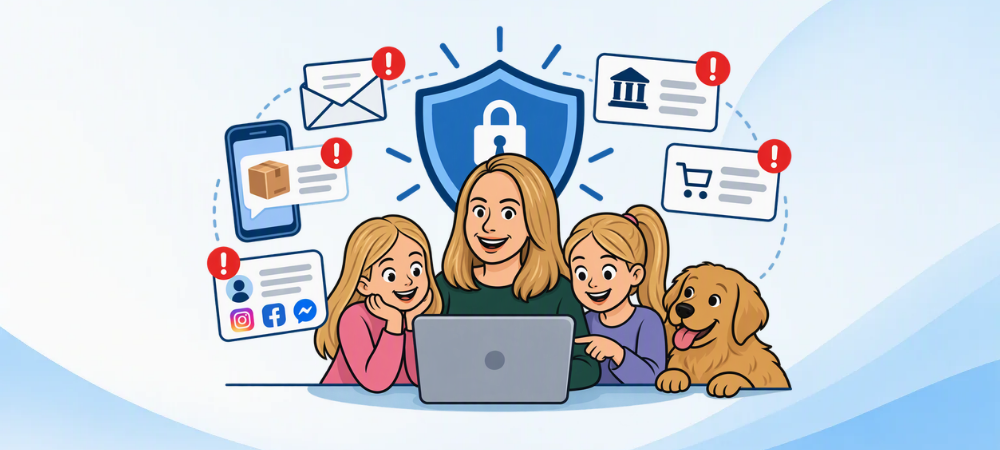
Protecting Kids Online in 2026
Today’s kids are growing up in a world where the internet is part of everyday life. From schoolwork and gaming to social media and AI-powered apps, technology offers incredible opportunities to learn, create, and connect. But it also introduces new risks that parents need to understand.
As we move through 2026, online safety is no longer just about limiting screen time. It’s about helping children navigate a rapidly changing digital landscape filled with social media, artificial intelligence, online gaming, scams, cyberbullying, and privacy concerns.
The good news? A few proactive steps can go a long way toward protecting your family.
The Biggest Online Risks for Kids in 2026
AI-Generated Content and Deepfakes
Artificial intelligence has made it easier than ever to generate realistic images, videos, and messages. While many AI tools offer educational and creative benefits, they can also be used to create misleading content or impersonate others.
Children may struggle to distinguish between real and AI-generated content, making it important to teach critical thinking and encourage them to verify information before believing or sharing it.
Online Scams Targeting Young Users
Cybercriminals are increasingly targeting younger audiences through gaming platforms, social media, and messaging apps. Common scams include:
- Fake giveaways
- Fraudulent in-game purchases
- Phishing messages
- Account takeover attempts
- Impersonation scams
Teaching kids never to share passwords, personal information, or payment details online is one of the most effective ways to reduce risk.
Oversharing Personal Information
Many children and teens do not fully understand how much personal information they reveal online. Photos, locations, school names, and daily routines can all provide valuable information to cybercriminals.
Encourage your children to think before posting and to keep privacy settings enabled on all accounts.
Cyberbullying
Cyberbullying remains one of the most common online threats facing young people. Negative comments, harassment, exclusion, and rumor spreading can happen across social media, messaging platforms, and gaming communities.
Create an environment where your children feel comfortable discussing their online experiences and know they can come to you if something feels wrong.
Practical Ways to Keep Kids Safe Online
Have Open Conversations
The most important online safety tool isn’t software. It’s communication.
Regularly talk with your children about their online activities, the apps they use, and who they communicate with. When kids know they can speak openly without fear of punishment, they’re more likely to report suspicious or uncomfortable situations.
Set Clear Digital Boundaries
Establish family rules around:
- Screen time
- App downloads
- Social media usage
- Online purchases
- Device usage at bedtime
Consistent expectations help children develop healthy digital habits that can last a lifetime.
Use Parental Controls
Parental control features can help reinforce safe online behavior by:
- Limiting access to inappropriate content
- Monitoring activity
- Restricting purchases
- Managing screen time
- Blocking unsafe websites
These tools should support conversations about safety, not replace them.
Teach Strong Cybersecurity Habits
Children should learn basic cybersecurity skills just as they learn how to cross a street safely.
Start with:
- Creating strong passwords
- Using multifactor authentication when available
- Avoiding suspicious links
- Recognizing phishing attempts
- Keeping devices updated
These habits can protect them now and in the future.
Stay Involved
You don’t need to monitor every click, but staying informed about the apps, games, and platforms your children use is essential.
Technology changes quickly. Understanding the tools your kids use helps you identify potential risks before they become problems.
Creating a Safer Digital Future
No technology solution can guarantee complete protection, but education, communication, and cybersecurity best practices significantly reduce risk.
According to the Federal Trade Commission (FTC), parents should combine open communication with parental controls and help children establish safe online habits to reduce the risks associated with socializing and sharing information online. The FTC also recommends ongoing conversations about online behavior and family expectations for internet use.
As technology continues to evolve, helping children become responsible digital citizens is one of the most valuable investments parents can make.
Your family isn’t the only thing that needs protection. Your business does too.
At BEI, we help organizations strengthen cybersecurity through managed IT services, security monitoring, employee cybersecurity awareness training, phishing simulations, Microsoft 365 security, endpoint protection, and compliance solutions. Whether you’re protecting employees at work or fostering safe online habits at home, cybersecurity starts with education and proactive protection.
Ready to strengthen your organization’s security? Contact BEI today to learn how our cybersecurity solutions can help reduce risk and keep your business protected.
